

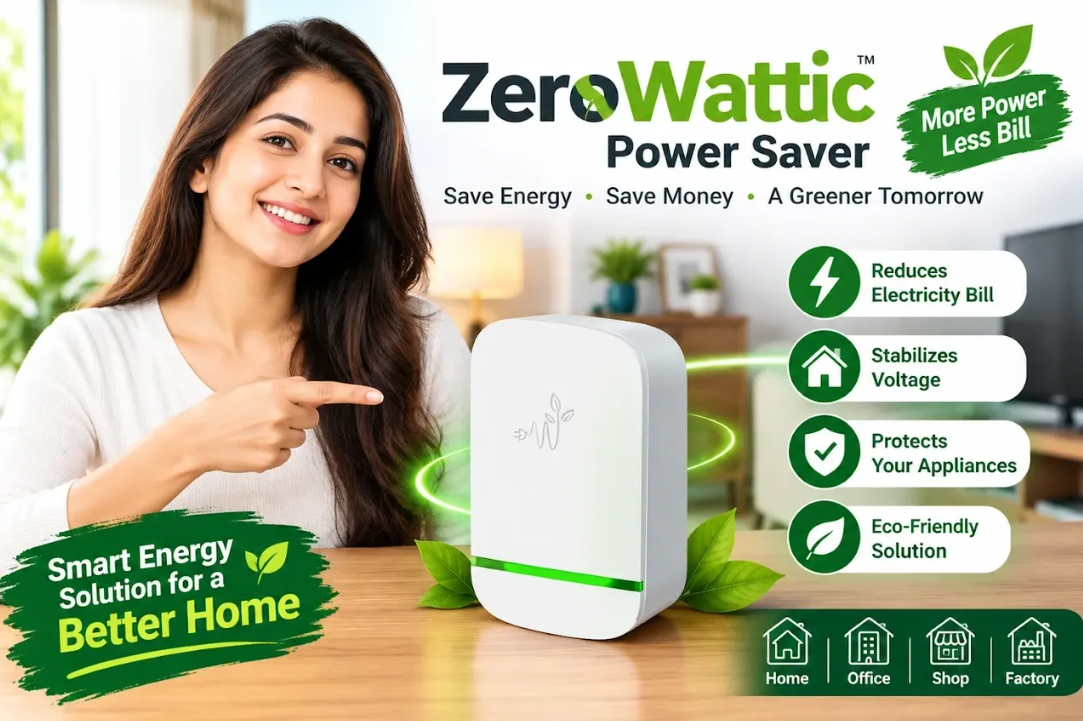
Electricity bills have become a regular concern for households and businesses, particularly as more appliances, electronic devices, cooling systems, and entertainment equipment are used every day. This has created growing interest in products that claim to improve electrical efficiency and potentially lower energy costs. One such product attracting attention is ZeroWattic Power Saver.
ZeroWattic Power Saver is marketed as an energy-saving device designed to work with a home’s electrical system. The basic idea behind products in this category is that they may help optimize electrical usage, reduce certain forms of electrical inefficiency, or improve how connected appliances operate.

What Is ZeroWattic Power Saver?
ZeroWattic Power Saver is presented as a compact electrical energy-saving device intended for residential use. Rather than requiring users to replace appliances or make major changes to their home’s electrical system, the concept is based on plugging the device into an electrical outlet. The appeal is straightforward: consumers want a simple way to manage energy consumption without changing their daily routines.
Products marketed as power savers commonly claim to address issues such as electrical inefficiency, reactive power, voltage fluctuations, or unnecessary energy consumption. However, the actual benefit depends heavily on the electrical system, appliance types, device design, and how electricity is billed. For that reason, shoppers should distinguish between reducing electricity consumption and improving electrical characteristics. These are not necessarily the same thing.

How Is ZeroWattic Power Saver Supposed to Work?
The operating principle advertised for many plug-in power-saving products involves electrical power management. Some devices use components such as capacitors that can influence power factor in certain electrical environments.
Power factor is particularly relevant in industrial and commercial electrical systems containing motors and other inductive equipment. Improving power factor can reduce certain electrical losses within an electrical distribution system.
However, residential electricity billing is generally based on the amount of energy consumed, measured in kilowatt-hours (kWh). Improving power factor does not automatically mean that a household will use fewer billed kilowatt-hours.
This distinction is important when evaluating ZeroWattic Power Saver or any similar product.
A consumer should therefore be cautious about broad claims that a small plug-in device can dramatically reduce an entire household’s electricity bill without changing appliance usage.
Why Are Consumers Interested in Power-Saving Devices?
The main reason is rising household energy costs.
Modern homes can contain dozens of electricity-consuming devices, including:
- Refrigerators and freezers
- Air conditioners
- Water heaters
- Washing machines
- Televisions
- Computers
- Kitchen appliances
- Fans
- Lighting
- Chargers and adapters
- Gaming systems
Some of these appliances operate continuously or for several hours each day. Cooling and heating equipment can be particularly energy-intensive.
As a result, homeowners naturally look for affordable solutions that can make electricity usage more efficient.
A product such as ZeroWattic Power Saver may appear attractive because it promises convenience. Instead of investing in a new air conditioner, refrigerator, or solar system, consumers may prefer a small device that can simply be connected to an outlet.
Potential Benefits of ZeroWattic Power Saver
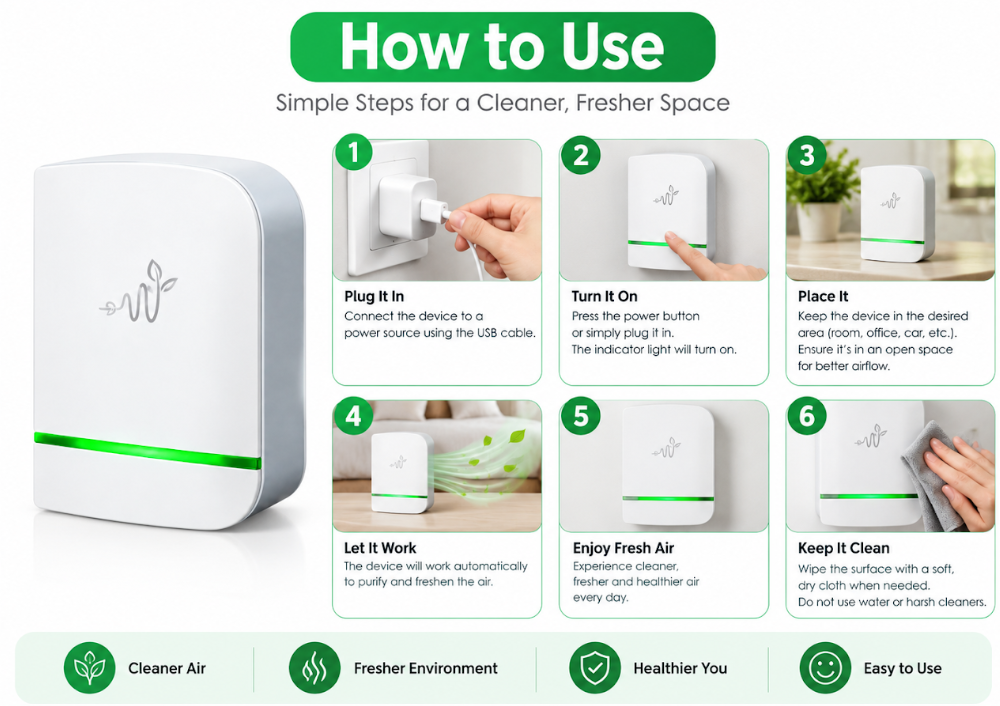
One of the biggest attractions of ZeroWattic Power Saver is its simplicity.
Easy Installation
A plug-in product generally requires little technical knowledge. Consumers may not need to hire an electrician or modify their wiring.
However, electrical safety should always come first. Users should follow the manufacturer’s instructions and avoid using any electrical device that appears damaged or poorly manufactured.
Compact Design
A small power-saving device can be more convenient than larger energy-management equipment. It can potentially be installed without taking up significant space.
Encourages Energy Awareness
Even if the device itself does not dramatically lower consumption, purchasing an energy-related product may encourage homeowners to pay closer attention to electricity usage.
That can lead to more meaningful changes, such as reducing unnecessary air-conditioning use, switching off unused electronics, improving insulation, or replacing inefficient lighting.
Potential Relevance for Certain Electrical Loads
Power-factor correction can have legitimate applications, particularly with inductive loads and commercial electrical equipment. Whether that translates into meaningful household savings depends on the specific circumstances.
Therefore, ZeroWattic Power Saver should not be viewed as a universal solution for every type of electricity consumption.
What About Electricity Bill Savings?
This is arguably the most important question.
Consumers purchasing a power-saving product are usually interested in one thing: whether their electricity bill will actually become lower.
The answer cannot be guaranteed simply from the existence of a plug-in power-saving device.
Electricity bills are influenced by several factors, including:
- Total kilowatt-hours consumed
- Local electricity rates
- Seasonal energy demand
- Heating and cooling requirements
- Appliance efficiency
- Household size
- Daily usage patterns
- Utility pricing structures
If a device does not significantly reduce the number of kilowatt-hours consumed, the impact on a residential electricity bill may be limited.
This is why consumers should be skeptical of extremely large savings claims unless they are supported by credible, independently verifiable testing under conditions similar to their own home.
ZeroWattic Power Saver vs. Practical Energy-Saving Measures
Before purchasing any electricity-saving device, it is worth considering where most household electricity is actually going.
For many homes, heating and cooling can represent a substantial portion of electricity use. Improving insulation, maintaining HVAC equipment, adjusting thermostats, and choosing efficient appliances can therefore have a much clearer impact.
Other practical strategies include:
- Turning off lights when rooms are unoccupied
- Using LED bulbs
- Unplugging devices that genuinely consume standby power
- Washing clothes with appropriate temperature settings
- Maintaining refrigerator temperatures correctly
- Cleaning air-conditioner filters
- Using energy-efficient appliances
- Monitoring electricity consumption
- Avoiding unnecessary heating or cooling
These measures directly address energy consumption rather than relying entirely on a single plug-in device.
Is ZeroWattic Power Saver Safe?
Electrical safety should be a priority with any device connected directly to a household outlet.
Before using ZeroWattic Power Saver, consumers should check whether the product provides clear information about its electrical ratings, operating instructions, manufacturer or seller details, warranty, and applicable safety certifications.
A legitimate electrical product should be appropriately rated for the electrical system in which it is intended to operate.
Consumers should also avoid:
- Using damaged units
- Exceeding stated electrical ratings
- Using unauthorized adapters
- Installing products in wet areas unless specifically designed for them
- Continuing to use a device that becomes unusually hot, smells burnt, sparks, or makes unusual noises
If there is any uncertainty about electrical compatibility, consulting a qualified electrician is the safest option.
What Should Buyers Look for Before Ordering?
Anyone considering ZeroWattic Power Saver should do some research rather than relying solely on promotional claims.
Look for Independent Evidence
Independent testing is more useful than testimonials alone. Ideally, testing should explain exactly what was measured and under what conditions.
Understand the Savings Claim
A claim such as “save electricity” is vague. Consumers should ask:
Save how much, under what conditions, and measured using what method?
A percentage claim without supporting methodology is difficult to evaluate.
Check the Return Policy
A clear refund or return policy provides additional protection if the product does not meet expectations.
Verify Product Specifications
Check the voltage, frequency, maximum rating, operating conditions, and intended application before connecting an electrical product.
Consider the Actual Source of Your Electricity Costs
If most of your electricity bill comes from an air conditioner, electric heater, water heater, or other major appliance, a small plug-in product may not address the primary source of consumption.
Final Verdict
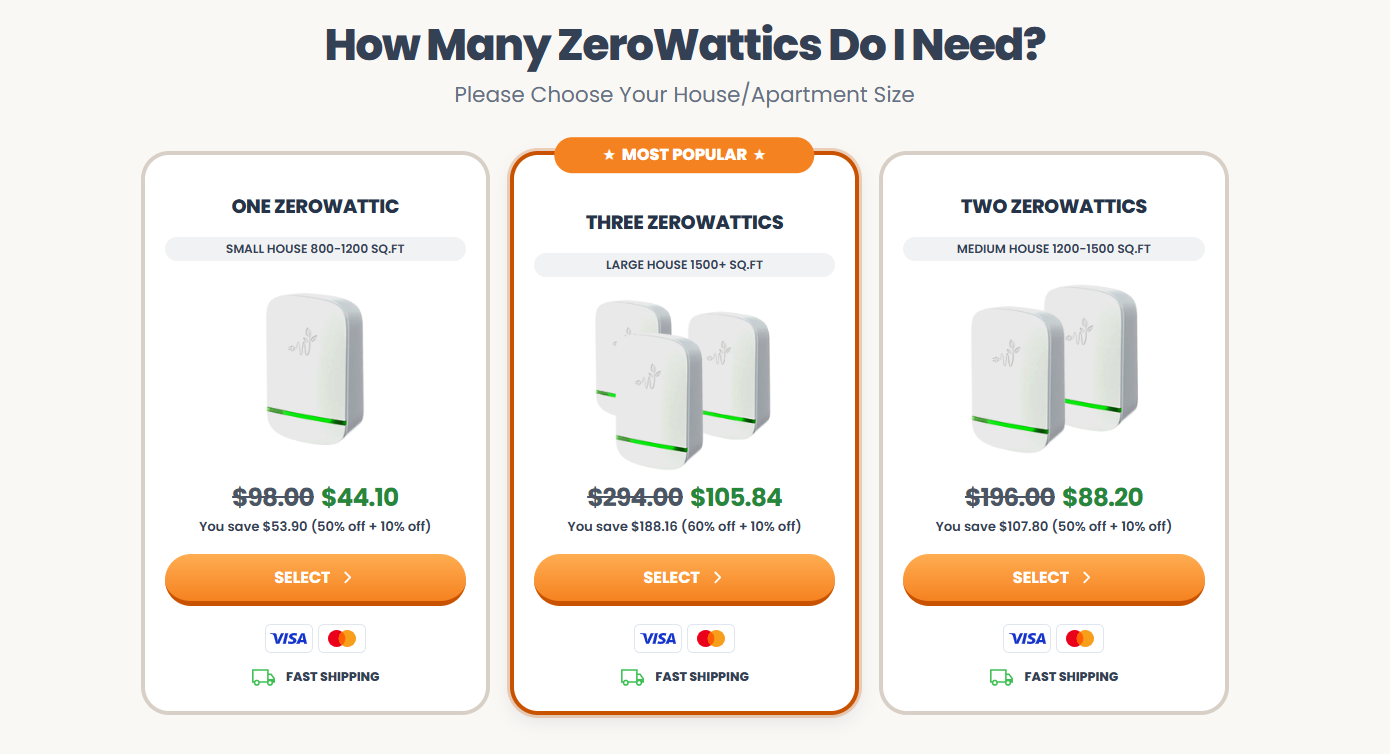
ZeroWattic Power Saver is an interesting concept for consumers searching for simple ways to improve electrical efficiency. Its compact design and plug-in approach make it appealing compared with expensive home energy upgrades. However, expectations should remain realistic.
A small power-saving device should not automatically be assumed to produce dramatic reductions in residential electricity bills. Electrical efficiency, power factor, and actual billed energy consumption are different concepts, and the benefits of any particular device depend on the electrical environment in which it is used.
For consumers considering ZeroWattic Power Saver, the smartest approach is to investigate the product’s specifications, safety information, independent testing, warranty, return policy, and evidence supporting its savings claims before making a purchase.