

Fuel costs remain an important concern for many German drivers. Whether a vehicle is used for commuting, family trips, deliveries, or regular motorway travel, even small changes in fuel consumption can affect the overall cost of driving. This has created growing interest in products that claim to improve vehicle efficiency without requiring major modifications.
OptiFuel Energy Saver Germany is presented as a compact vehicle accessory designed to connect through a car’s OBD-II diagnostic port. The product is promoted as a way to support more efficient driving, smoother engine response, and improved fuel economy. Its compact design and simple installation are among the features likely to attract drivers looking for a convenient automotive accessory.
What Is OptiFuel Energy Saver?
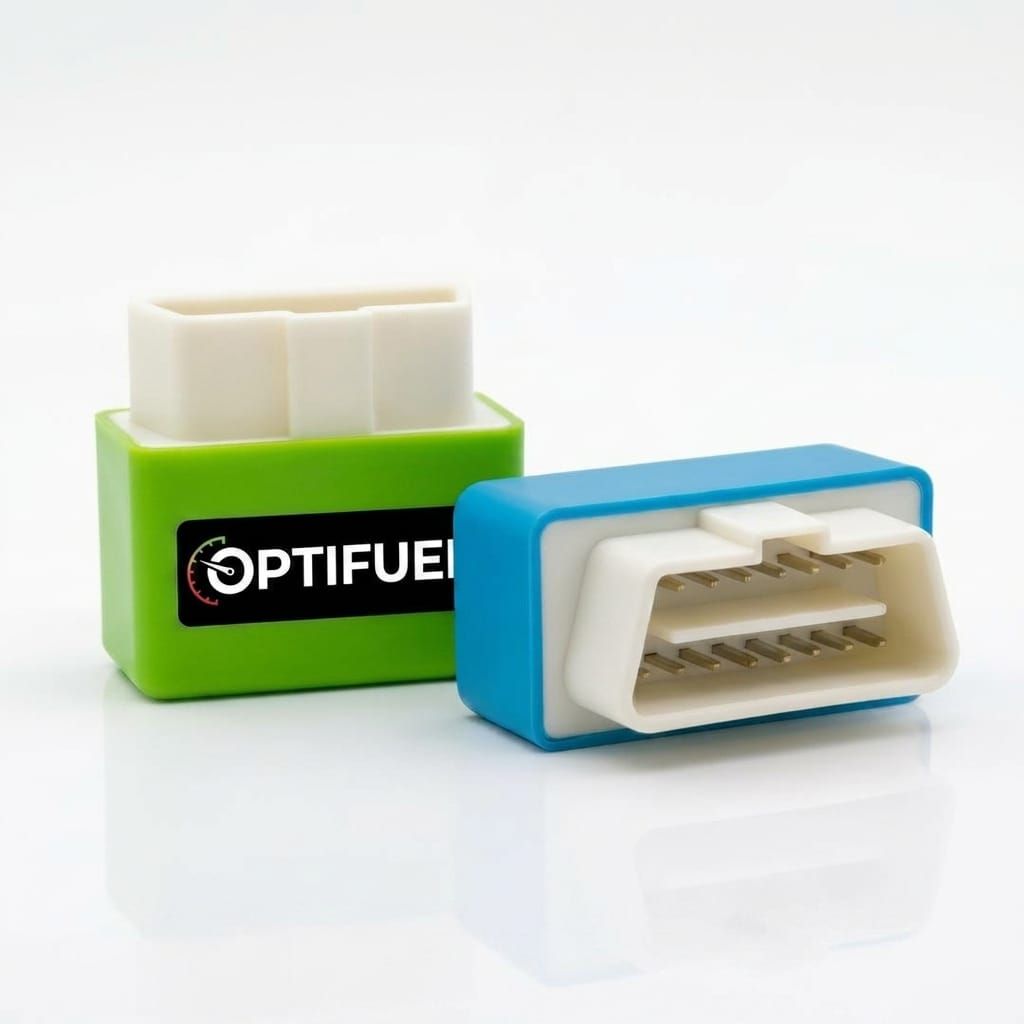
OptiFuel Energy Saver is a small electronic device marketed for use with compatible vehicles. The product shown in the provided image has a bright green housing and is designed to plug into an OBD-II port.
The OBD-II system is commonly used in modern vehicles for diagnostic communication. Depending on the vehicle, diagnostic information can include engine-related parameters and fault codes. OptiFuel’s marketing positions the device as an accessory intended to interact with the vehicle’s electronic system to support optimized everyday driving.
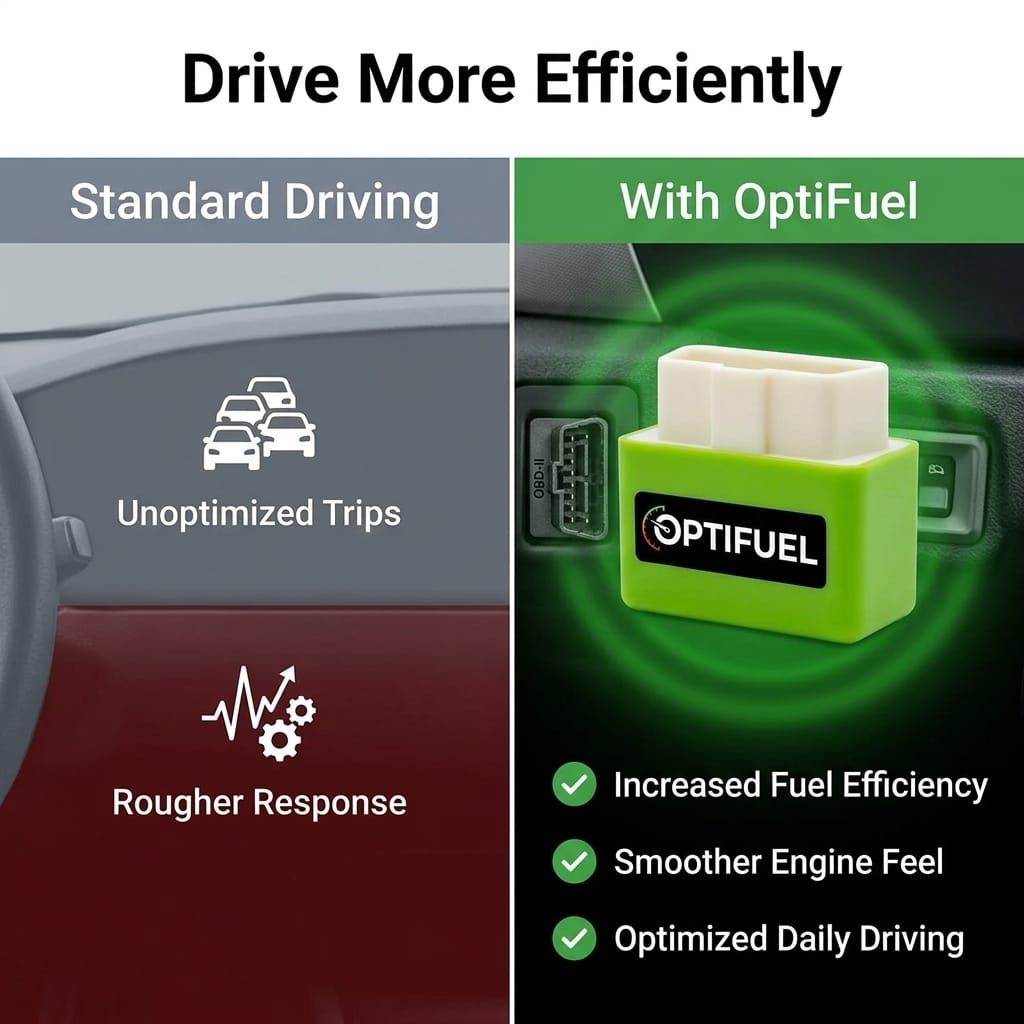
The product image highlights three claimed benefits:
- Increased fuel efficiency
- Smoother engine feel
- Optimized daily driving
These are product claims rather than independently established results, so actual performance may vary according to vehicle type, driving conditions, maintenance, and other factors.
How Does OptiFuel Energy Saver Work?
OptiFuel Energy Saver is designed around the vehicle’s OBD-II connection. Instead of requiring complicated mechanical installation, the device is intended to be plugged into the appropriate diagnostic socket.
The basic concept is straightforward. After locating the vehicle’s compatible OBD-II port, the driver connects the device and allows it to communicate with the vehicle’s electronic system.
The manufacturer or seller may describe this communication as helping optimize vehicle operation. However, drivers should distinguish between a product’s advertised mechanism and independently verified technical performance.
Modern vehicles use sophisticated engine-management systems that continuously monitor numerous parameters. The exact capabilities of an OBD-connected accessory depend on its hardware, software, vehicle compatibility, and intended function.
For this reason, consumers should check the product’s technical documentation and compatibility information before assuming that the device will alter engine-management settings or deliver a particular fuel-saving result.

OptiFuel Energy Saver Germany: Key Features
One of the most noticeable characteristics of OptiFuel is its compact design. The device shown in the product image is small enough to remain connected to an OBD-II port without requiring a large installation area.
Simple Installation
A major selling point of OBD accessories is convenience. Products using this connection generally do not require the user to dismantle engine components or perform complicated wiring.
For a compatible vehicle, installation is intended to involve locating the OBD-II socket and connecting the device. Nevertheless, users should follow the supplied instructions rather than assuming that every vehicle behaves identically.
Compact Construction
The small form factor can be useful for drivers who do not want additional equipment occupying dashboard or cabin space. A compact device can also make installation less visually intrusive.
Everyday Driving Focus
The product image specifically promotes optimized daily driving. This suggests that the accessory is aimed at ordinary motorists rather than exclusively at professional mechanics or performance enthusiasts.
For drivers who spend substantial time commuting, fuel economy is naturally an important consideration.
No Major Mechanical Modification
OptiFuel is presented as an electronic accessory rather than a mechanical engine modification. This may appeal to motorists who prefer not to alter physical engine components.
However, compatibility remains important, and users should verify whether the device is appropriate for their particular make, model, engine, and model year.
Potential Benefits of OptiFuel Energy Saver
The principal reason someone might investigate OptiFuel is the possibility of reducing fuel consumption.
If a vehicle consumes less fuel while covering the same distance, the driver could potentially reduce fuel expenditure over time. The actual financial effect, however, depends on whether the device produces a measurable improvement and how the vehicle is driven.
The product is also advertised as potentially providing a smoother engine feel. Drivers sometimes notice changes in responsiveness, idle behavior, or acceleration after maintenance or modifications, but these experiences can be subjective.
Another potential advantage is convenience. A plug-in accessory can be attractive compared with modifications that require professional mechanical work.
It is important to keep these benefits in perspective. There is not enough information in the supplied product image alone to establish a specific percentage of fuel savings or guarantee improved engine performance.
Fuel Efficiency Depends on More Than a Device
Drivers considering OptiFuel should remember that fuel economy is influenced by many factors.
Driving style can make a substantial difference. Frequent hard acceleration, high speeds, unnecessary idling, and rapid braking can increase fuel consumption. Tire pressure, vehicle load, road conditions, traffic, weather, and maintenance can also affect efficiency.
For example, keeping tires properly inflated and following the vehicle manufacturer’s recommended service schedule are basic measures that can contribute to efficient operation.
Therefore, an OBD accessory should not be considered a substitute for proper vehicle maintenance or fuel-efficient driving habits.
Is OptiFuel Energy Saver Suitable for German Drivers?
For consumers in Germany, compatibility and purchasing information should be checked carefully before ordering. Drivers should confirm that the product supports their specific vehicle and that the supplied documentation is clear about installation and operation.
It is also sensible to check information concerning returns, warranty coverage, customer support, shipping, and applicable consumer rights before purchasing.
German motorists may own a wide range of petrol, diesel, hybrid, and other vehicle types. An accessory that works with one vehicle may not necessarily provide the same functionality with another.
If the seller makes specific claims about fuel savings, consumers should look for supporting technical information or independently verifiable testing rather than relying solely on promotional statements.
What Should Buyers Check Before Purchasing?
Before purchasing OptiFuel Energy Saver Germany, consider the following points:
Vehicle compatibility: Check make, model, engine type, and model year.
Installation instructions: Make sure clear instructions are supplied and understand where the OBD-II port is located.
Technical specifications: Look for information about how the device communicates with the vehicle.
Fuel-saving evidence: If a specific percentage reduction is advertised, check whether that figure is supported by independent testing.
Warranty and returns: Understand the seller’s policies before placing an order.
Legal and vehicle considerations: Avoid making assumptions about modifications to vehicle electronics. If uncertain, consult a qualified automotive professional.
OptiFuel Energy Saver Reviews: What to Keep in Mind
When reading OptiFuel Energy Saver reviews, it is useful to separate personal experiences from independently measured results.
A customer may report that their vehicle feels smoother after using a product, but that does not automatically demonstrate a measurable improvement in fuel economy. Similarly, fuel consumption can change from one tank to another because of traffic, weather, driving style, fuel type, and journey length.
A meaningful comparison would involve measuring fuel consumption over comparable distances and conditions, ideally before and after installation while controlling as many variables as possible.
Consumers should therefore look for transparent testing methodology rather than relying exclusively on testimonials or promotional statements.
Final Thoughts on OptiFuel Energy Saver Germany
OptiFuel Energy Saver Germany is presented as a compact OBD-II vehicle accessory focused on fuel efficiency and everyday driving. Its plug-in format may appeal to motorists interested in an easy-to-install automotive product without making major physical changes to their vehicles.
The supplied product image promotes increased fuel efficiency, smoother engine feel, and optimized daily driving, but these should be treated as advertised benefits rather than guaranteed outcomes. Actual results can differ depending on vehicle compatibility, driving habits, maintenance, and operating conditions.