

In today’s fast-paced world, fuel efficiency and vehicle performance are top priorities for drivers. Whether you’re commuting daily, managing a fleet, or simply looking to cut down on fuel expenses, optimizing how your vehicle consumes fuel can make a significant difference. This is where OptiFuel steps in—a modern solution designed to enhance fuel efficiency, improve engine performance, and support smarter driving habits.
This article explores everything you need to know about OptiFuel, including how it works, its potential benefits, features, and whether it’s worth considering.
What Is OptiFuel?
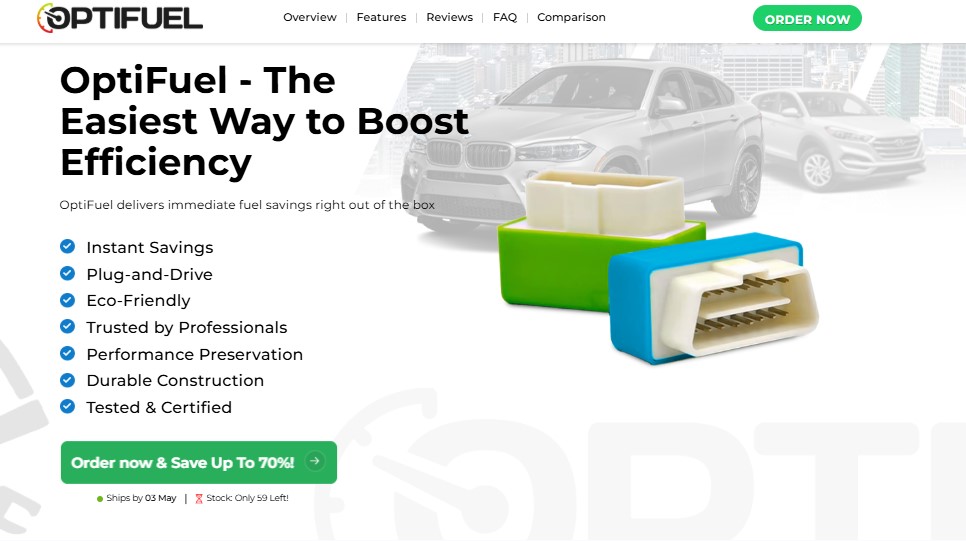
OptiFuel is typically marketed as a fuel optimization device or performance-enhancing solution designed for vehicles. It aims to improve how efficiently fuel is used within the engine, ultimately helping drivers reduce fuel consumption and enhance overall driving performance.
Depending on the version or model, OptiFuel may function as a plug-in device connected to your vehicle’s onboard diagnostics (OBD) system or as a fuel additive. Its primary goal remains the same: to make your engine run smarter, not harder.
How Does OptiFuel Work?
OptiFuel operates by interacting with your vehicle’s engine control system. Modern vehicles are equipped with an Engine Control Unit (ECU), which manages fuel injection, ignition timing, and air-to-fuel ratio.
Here’s how OptiFuel contributes:
1. Data Optimization
The device reads driving patterns and engine data through the OBD port. Over time, it analyzes how your car behaves and adjusts parameters to improve efficiency.
2. Fuel-Air Ratio Adjustment
By optimizing the balance between fuel and air entering the engine, OptiFuel ensures better combustion. Efficient combustion means less wasted fuel.
3. Adaptive Learning
OptiFuel doesn’t just apply a fixed setting. It adapts to your driving habits—whether you drive aggressively or smoothly—fine-tuning performance accordingly.
4. Engine Performance Enhancement
With improved combustion and data-driven adjustments, your engine may run more smoothly, resulting in better throttle response and reduced strain.

Key Features of OptiFuel
OptiFuel stands out due to its user-friendly design and performance-oriented features:
Easy Installation
Most OptiFuel devices are plug-and-play. Simply connect it to your car’s OBD port, and it starts working automatically.
Real-Time Monitoring
The device monitors engine behavior in real time, continuously making adjustments for optimal performance.
Fuel Savings Potential
One of its biggest selling points is the potential to reduce fuel consumption, especially for drivers who cover long distances regularly.
Compact Design
OptiFuel devices are typically small and unobtrusive, meaning they won’t interfere with your driving space.
Compatibility
Many versions are compatible with a wide range of vehicles, including cars, SUVs, and light trucks.
Benefits of Using OptiFuel
1. Improved Fuel Efficiency
The primary advantage is reduced fuel consumption. By optimizing combustion, your vehicle uses less fuel for the same performance.
2. Cost Savings
With fuel prices constantly fluctuating, even a small improvement in efficiency can lead to noticeable savings over time.
3. Enhanced Engine Performance
Users often report smoother acceleration and better throttle response after using OptiFuel.
4. Reduced Engine Wear
Efficient fuel usage means less strain on engine components, which could contribute to longer engine life.
5. Environmentally Friendly
Lower fuel consumption leads to reduced emissions, making OptiFuel a more eco-conscious choice.
Who Should Use OptiFuel?
OptiFuel can be beneficial for a wide range of drivers:
- Daily commuters who want to save on fuel costs
- Long-distance drivers seeking improved mileage
- Fleet managers aiming to reduce operational expenses
- Car enthusiasts looking for better performance
- Eco-conscious drivers wanting to reduce emissions
Pros and Cons
Pros
- Easy to install and use
- Potential fuel savings
- Improves engine efficiency
- Works with many vehicle types
- No major modifications required
Cons
- Results may vary depending on driving habits
- Not a substitute for proper vehicle maintenance
- Some vehicles may see minimal changes
- Requires time to adapt and show results

Real-World Performance Expectations
It’s important to set realistic expectations when using OptiFuel. While many users report noticeable improvements, the actual results depend on several factors:
- Vehicle condition
- Driving style
- Road conditions
- Maintenance history
Drivers who maintain their vehicles well and drive efficiently are more likely to see better results.
OptiFuel vs Traditional Fuel-Saving Methods
You might wonder how OptiFuel compares to other fuel-saving approaches:
Driving Habits
Smooth acceleration and consistent speeds naturally improve fuel efficiency. OptiFuel enhances these benefits by optimizing engine behavior.
Regular Maintenance
Keeping your engine tuned, tires inflated, and filters clean is essential. OptiFuel works best alongside proper maintenance.
Fuel Additives
Unlike additives that are consumed over time, OptiFuel devices provide continuous optimization without needing frequent replacement.
Installation and Setup
Using OptiFuel is straightforward:
- Locate your vehicle’s OBD port (usually under the dashboard)
- Plug in the OptiFuel device
- Turn on the ignition
- Drive normally for a few days to allow the system to adapt
No technical expertise is required, making it accessible for most drivers.
Safety and Reliability
OptiFuel devices are generally designed to work within the safe parameters of your vehicle’s ECU. They do not override factory settings but rather optimize existing ones.
However, it’s important to:
- Purchase from reputable sources
- Ensure compatibility with your vehicle
- Follow manufacturer instructions
Common Myths About OptiFuel
Myth 1: Instant Results
OptiFuel requires time to learn your driving habits. Results typically improve over several days or weeks.
Myth 2: Works on All Vehicles Equally
Performance may vary depending on the make, model, and condition of the vehicle.
Myth 3: Replaces Maintenance
OptiFuel is not a replacement for regular servicing. It complements good maintenance practices.
Tips to Maximize Results
To get the most out of OptiFuel:
- Maintain steady driving speeds
- Avoid aggressive acceleration
- Keep your vehicle well-maintained
- Use quality fuel
- Allow time for the device to adapt
Is OptiFuel Worth It?
OptiFuel offers a practical solution for drivers looking to improve fuel efficiency and engine performance without making major modifications. While it may not deliver dramatic changes for every vehicle, it can provide noticeable benefits for many users.
If you’re someone who drives frequently and wants to reduce fuel costs while maintaining performance, OptiFuel is worth considering.
Final Verdict
OptiFuel represents a modern approach to smarter driving. By leveraging vehicle data and optimizing engine performance, it aims to deliver better fuel efficiency, smoother operation, and long-term savings.
While results can vary, the combination of ease of use, potential cost savings, and performance improvement makes it an appealing option for many drivers.
In a world where efficiency matters more than ever, tools like OptiFuel provide a simple yet effective way to get more out of every drop of fuel.