

Hot weather can make a room uncomfortable, especially when a traditional air-conditioning system is expensive to install or impractical for a small space. This is where compact cooling devices such as FrostWave AC attract attention. Marketed as a portable cooling solution, FrostWave AC is designed for people who want a convenient way to improve comfort without relying entirely on a full-size air conditioner.
But does FrostWave AC actually provide useful cooling, or is it simply another small desktop cooler with exaggerated expectations? In this review, we look at its general design, potential benefits, limitations, usability, and what buyers should consider before purchasing.
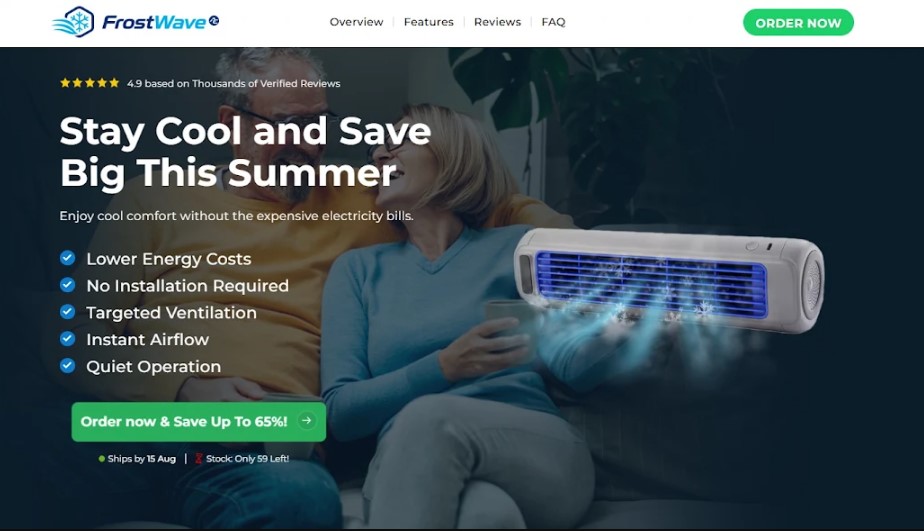
What Is FrostWave AC?
FrostWave AC is presented as a compact personal cooling device intended for smaller spaces. Unlike conventional split or window air conditioners, portable mini coolers typically focus on cooling the air around the user rather than attempting to lower the temperature of an entire home.
The appeal is straightforward. A small cooling unit can be easier to move, requires less installation, and may consume less electricity than running a large air conditioner continuously. FrostWave AC may therefore be attractive to people working at a desk, relaxing in a bedroom, or looking for additional personal cooling during hot weather.

How Does FrostWave AC Work?
FrostWave AC is designed around the basic concept of personal air cooling. Depending on the specific version and configuration, compact devices in this category generally draw warm surrounding air through the unit and circulate cooled or moisture-conditioned air outward.
Many mini cooling products use water or an evaporative cooling principle. When warm air passes over a cooled or dampened medium, some heat can be removed before the air is released. A built-in fan then directs the resulting airflow toward the user.
This approach can feel refreshing when the device is positioned nearby. It is particularly useful when someone wants direct airflow while sitting at a desk or beside a bed.
At the same time, evaporative-style cooling tends to work differently from refrigerant-based air conditioning. It may not deliver the same room-temperature reduction as a conventional AC, particularly in very humid environments.
FrostWave AC Features
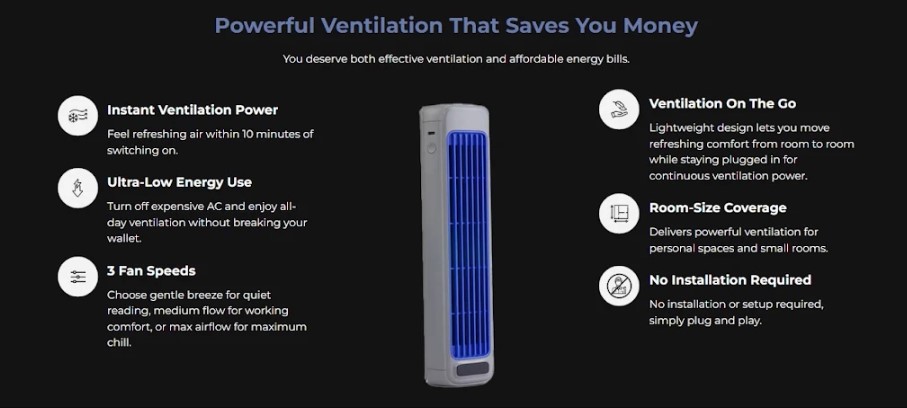
One of the main attractions of FrostWave AC is its compact format. A smaller unit can be moved from one location to another without the effort involved in installing a permanent air-conditioning system.
Potentially useful features of a device in this category include:
- Compact and portable construction
- Personal airflow for close-range cooling
- Simple controls
- Low-space footprint
- Easy placement on desks, tables, or bedside surfaces
- Potentially lower energy consumption than larger AC systems
- Convenience for temporary or personal cooling
The exact specifications can vary depending on the seller and model, so buyers should verify details such as power requirements, water-tank capacity, operating modes, dimensions, and included accessories before ordering.
Who Might Benefit From FrostWave AC?
FrostWave AC may be most suitable for people who need personal cooling rather than whole-room air conditioning.
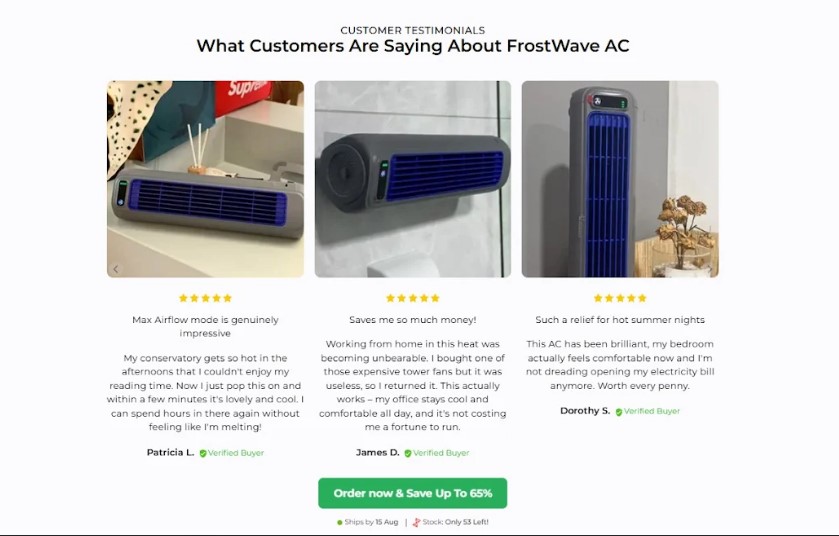
For example, someone working from home may not want to run a large AC unit throughout the day simply to cool the area around a desk. A compact cooler positioned nearby could provide a more targeted airflow experience.
Students may also appreciate a portable unit because it can be moved between rooms. Similarly, renters who cannot install permanent air-conditioning equipment may find compact cooling devices more convenient.
It can also serve as a supplementary cooling option. Someone who already has air conditioning might use a personal cooler near a workstation or bed when additional airflow is desirable.
Potential Advantages
1. Portable Design
The biggest benefit is convenience. A compact cooler can generally be moved when needed instead of remaining fixed in one location.
2. Easy Setup
Unlike a split AC installation, a small personal cooling device typically requires little preparation. Users can place it where they want airflow and follow the manufacturer’s operating instructions.
3. Personal Cooling
Rather than trying to cool an entire home, FrostWave AC is intended to provide a more localized cooling experience. This can be useful when only one person needs relief from the heat.
4. Space Saving
Large cooling appliances require considerable floor or wall space. A compact unit can be more practical in small bedrooms, offices, dormitories, and other limited spaces.
5. Potential Energy Savings
A small personal cooling appliance generally requires less power than operating a large air-conditioning system. However, actual savings depend on electricity rates, usage duration, device specifications, and the alternative cooling method being replaced.
Limitations to Consider
No portable cooling device is perfect, and expectations matter.
The most important limitation is cooling capacity. A compact personal cooler should not be expected to perform like a professionally installed air conditioner. If your goal is to cool a large room quickly, a conventional AC may be more appropriate.
Humidity can also influence evaporative cooling performance. In humid climates, evaporation becomes less effective, meaning users may experience less noticeable cooling.
Another consideration is maintenance. If the device uses a water reservoir, users may need to refill it regularly and clean the relevant components according to the manufacturer’s instructions. Proper maintenance is important for keeping the appliance functioning properly.
Noise is another factor worth checking. Although small fans are often relatively quiet, the actual sound level can vary by model and fan setting. People who are sensitive to nighttime noise should check the published specifications or independent user feedback before buying.
Is FrostWave AC Easy to Use?
The appeal of portable cooling products is their simplicity. Users generally want something that can be placed nearby, switched on, and adjusted without complicated installation.
Before using FrostWave AC, buyers should read the supplied instructions carefully. If the unit requires water, only the recommended amount should be added. The reservoir and other components should also be cleaned as instructed.
Positioning matters as well. A personal cooler is likely to provide the best experience when its airflow is directed toward the user instead of being placed far away at the opposite side of a large room.
Keeping doors and windows appropriately managed may also influence how comfortable the surrounding environment feels, depending on the type of cooling technology used.
FrostWave AC vs. Traditional Air Conditioner
The two products serve different purposes.
A traditional air conditioner is designed to remove heat from indoor air and can substantially lower the temperature of a room. It is generally the better choice for whole-room cooling.
FrostWave AC, by comparison, is better viewed as a personal or supplementary cooling option. Its strengths are portability, convenience, and potentially lower power requirements rather than high-capacity room cooling.
Therefore, the right choice depends on the user’s expectations. Someone looking for strong cooling throughout a large living room may be disappointed by a mini cooler. Someone wanting a personal breeze while working at a desk may find the concept much more useful.
What Should Buyers Check Before Ordering?
Before purchasing FrostWave AC, consumers should carefully check the product page and seller information. Important details include:
- Exact model specifications
- Power source and wattage
- Cooling technology
- Water-tank requirements, if applicable
- Dimensions and weight
- Noise information
- Warranty coverage
- Return and refund policy
- Shipping charges and delivery times
- Customer support contact information
It is also wise to avoid judging a product solely by advertising claims. Look for clear specifications and realistic information about the area the device is designed to cool.
Final Verdict
FrostWave AC may be worth considering for consumers searching for a compact, portable personal cooling solution. Its strongest selling points are convenience, portability, space-saving design, and the possibility of using less energy than a full-size air conditioner.
However, buyers should maintain realistic expectations. A mini portable cooler is not necessarily a replacement for a conventional AC system. Its performance is more likely to be useful for personal comfort and localized airflow than for cooling an entire large room.