

In today’s digital world, protecting personal information has become more important than ever. Credit card fraud, wireless theft, and RFID scanning are increasing concerns for travelers, shoppers, and anyone who uses contactless payment methods. That’s why products like Card Armor are gaining attention in 2026.
Card Armor is marketed as a compact RFID-blocking security card designed to protect debit cards, credit cards, passports, and personal information from electronic theft. Unlike bulky wallets or complicated security systems, this slim card is designed to fit directly into a wallet and create a protective shield around nearby cards.
But does Card Armor really work? Is it worth buying, or is it just another overhyped gadget? In this detailed review, we’ll explore how Card Armor works, its features, benefits, pros and cons, and whether it’s a smart investment for modern consumers.
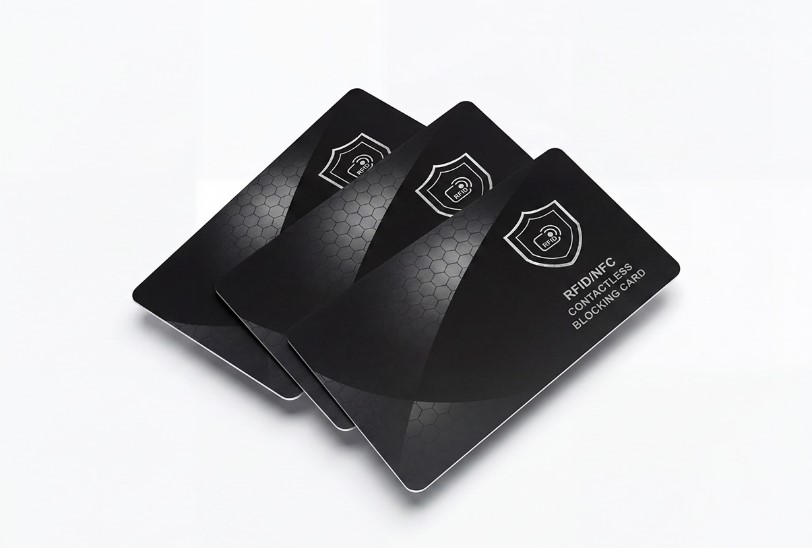

What Is Card Armor?
Card Armor is a portable RFID-blocking protection card created to help prevent unauthorized scanning of contactless cards. Many modern payment cards use RFID (Radio Frequency Identification) or NFC (Near Field Communication) technology, allowing users to tap and pay quickly.
While convenient, this technology may also create security risks. Some cybercriminals reportedly use portable scanners to attempt wireless theft of sensitive information from nearby cards.
Card Armor is designed to block these unwanted signals. Once placed inside a wallet, purse, or cardholder, it forms a protective electronic barrier that may help stop RFID readers from accessing your card data.
The device requires no charging, no setup, and no technical knowledge, making it simple for anyone to use.
How Does Card Armor Work?
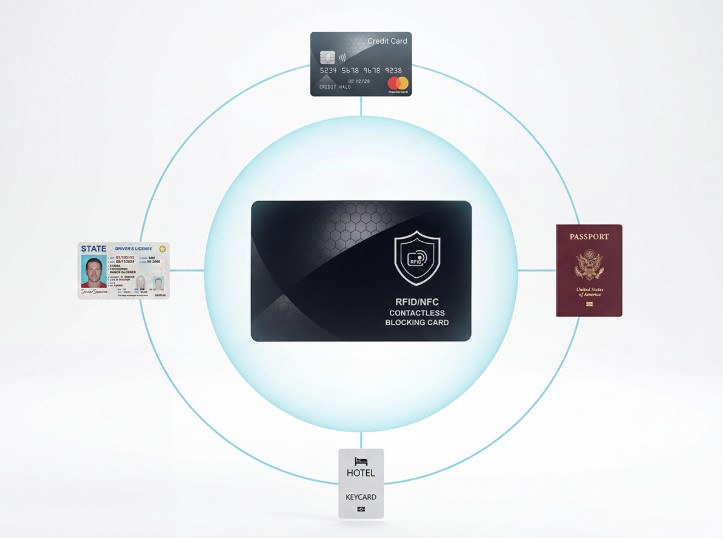
Card Armor works using RFID-blocking technology. The card contains a built-in protective chip that detects scanning attempts and generates an electronic interference signal. This interference helps disrupt unauthorized RFID readers trying to communicate with nearby cards.
The process happens automatically. Users simply place the Card Armor inside their wallet beside payment cards. The protective field can cover several cards at once, depending on wallet thickness and arrangement.
Unlike traditional RFID wallets that rely on metal layers for shielding, Card Armor offers a more flexible solution because users can continue using their favorite wallets while adding protection.

Why RFID Protection Matters in 2026
Contactless payment systems continue to expand worldwide. Millions of consumers now use tap-to-pay cards daily for shopping, transportation, hotels, and online-linked payment systems.
Although banks use encryption and fraud monitoring, digital theft methods are also evolving. Identity thieves constantly search for opportunities to exploit weak security practices.
Potential risks include:
- Unauthorized RFID scanning
- Credit card data theft
- Identity fraud
- Financial account exposure
- Digital pickpocketing
Card Armor aims to reduce these risks by adding another layer of security to everyday transactions.
Key Features of Card Armor
Slim and Lightweight Design
One of Card Armor’s biggest selling points is its compact size. It is designed to match the dimensions of a standard credit card, allowing it to fit naturally into most wallets without adding bulk.
No Batteries Required
Unlike electronic gadgets that need charging, Card Armor works passively and continuously. Users never need to recharge or replace batteries.
Multi-Card Protection
The protective signal may help shield multiple cards inside a wallet, making it practical for people carrying several payment cards.
Easy to Use
There are no apps, cables, or complicated instructions involved. Users simply insert the card into their wallet and continue using their cards normally.
Durable Construction
Card Armor is made to withstand daily use, including bending, travel, and regular wallet storage.
Travel-Friendly
Frequent travelers often use RFID protection products while visiting airports, hotels, and crowded public areas where digital theft concerns may increase.
Benefits of Using Card Armor
Enhanced Personal Security
The biggest benefit of Card Armor is added peace of mind. Many consumers feel more confident carrying contactless payment cards when additional RFID protection is available.
Helps Protect Sensitive Information
Card Armor may help reduce the chance of unauthorized wireless scans attempting to capture personal financial data.
Works With Existing Wallets
Users don’t need to purchase expensive RFID wallets. Card Armor works with many standard wallets and purses.
Convenient Daily Protection
Once placed inside the wallet, the protection remains active automatically without any extra effort from the user.
Suitable for All Ages
Both younger and older users can benefit from simple digital security tools, especially individuals unfamiliar with advanced cybersecurity measures.
Who Should Consider Card Armor?
Card Armor may be useful for:
- Frequent travelers
- Business professionals
- Students
- Senior citizens
- Daily commuters
- Online shoppers
- People carrying multiple credit cards
- Anyone concerned about identity theft
Consumers who regularly use contactless payments may especially appreciate the added security layer.
Card Armor vs RFID Wallets
Many consumers wonder whether Card Armor is better than an RFID-blocking wallet. Both options offer protection, but they work differently.
RFID Wallets
RFID wallets contain shielding material throughout the wallet itself. While effective, they often require replacing your current wallet.
Card Armor
Card Armor allows users to keep their existing wallet while adding RFID-blocking capabilities. It is also smaller, lighter, and often more affordable.
For people who already own a favorite wallet, Card Armor can be a convenient alternative.
Pros and Cons of Card Armor
Pros
- Slim and portable
- No charging required
- Easy to use
- Works automatically
- Compatible with most wallets
- Lightweight and travel-friendly
- May protect multiple cards simultaneously
Cons
- Effectiveness may vary depending on wallet design
- Not a replacement for bank fraud protection
- Limited protection range
- Some users may prefer full RFID wallets
Is Card Armor Legit or a Scam?
Card Armor appears to be a legitimate RFID-blocking product designed for personal digital security. RFID-blocking technology itself is widely recognized and used in wallets, passport holders, and security accessories worldwide.
However, consumers should maintain realistic expectations. No product can guarantee complete protection against every type of financial fraud or cybercrime. Card Armor is best viewed as one additional layer of defense rather than a complete security solution.
Users should still follow safe financial habits such as:
- Monitoring bank accounts regularly
- Using strong passwords
- Enabling fraud alerts
- Reporting suspicious transactions quickly
- Avoiding unsafe public Wi-Fi networks
Customer Feedback on Card Armor
Many users appreciate Card Armor for its convenience and simplicity. Common positive feedback includes:
- Easy wallet integration
- Lightweight design
- Improved confidence while traveling
- No maintenance required
Some users also mention that they prefer Card Armor over bulky RFID wallets because it allows them to keep their favorite wallet style.
As with any product, customer experiences may vary depending on individual expectations and usage habits.
How to Use Card Armor Properly
Using Card Armor is extremely simple:
- Remove Card Armor from its packaging.
- Place it inside your wallet near payment cards.
- Keep the wallet closed when not in use.
- Continue using your cards normally.
For best results, users should position Card Armor centrally among contactless cards to maximize coverage.
Tips for Better Digital Security
Although Card Armor may help improve RFID protection, combining it with good security habits offers stronger protection overall.
Use Banking Alerts
Enable instant transaction notifications through your banking app.
Avoid Public Wi-Fi for Banking
Public networks may expose sensitive financial information.
Check Statements Frequently
Regular account monitoring helps identify suspicious activity quickly.
Use Strong Passwords
Create unique passwords for banking and shopping accounts.
Update Payment Apps
Keep mobile wallets and banking apps updated for better security protection.
Is Card Armor Worth Buying in 2026?
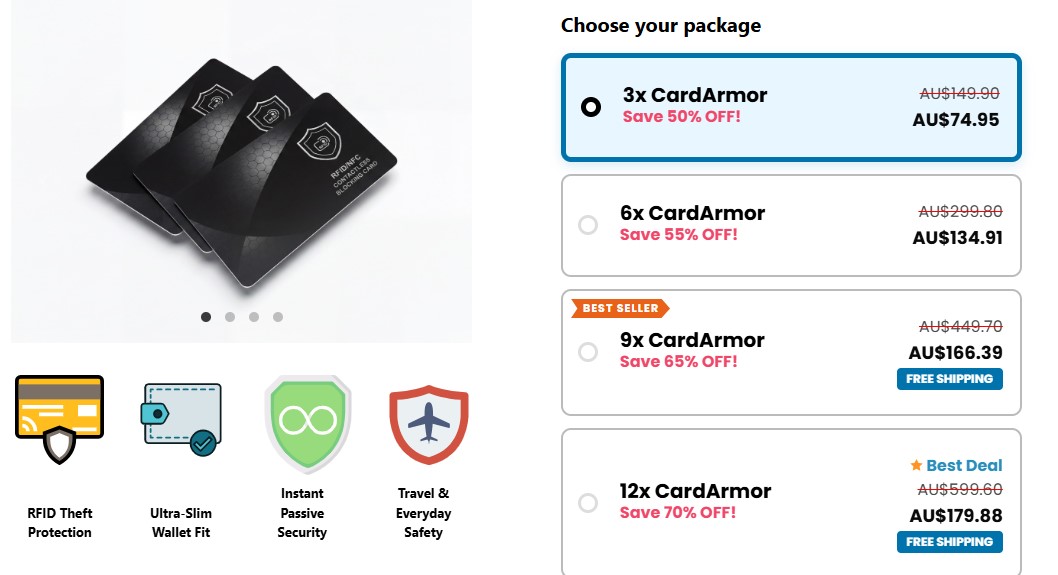
For many consumers, Card Armor offers a practical and affordable way to improve wallet security without changing daily habits. The product’s lightweight design, ease of use, and passive RFID-blocking functionality make it attractive for modern users concerned about wireless theft.
While it may not replace advanced cybersecurity tools or bank-level fraud prevention, it can still provide useful everyday protection against unauthorized RFID scanning attempts.
People who travel frequently, carry multiple contactless cards, or simply want extra peace of mind may find Card Armor worthwhile.
Final Verdict
Card Armor is a simple yet potentially useful digital security accessory designed for the contactless payment era. Its slim design, no-maintenance functionality, and compatibility with regular wallets make it convenient for everyday use.
As contactless payments continue to grow in 2026, awareness of RFID security is also increasing. Card Armor offers a straightforward way to add another layer of protection without requiring technical knowledge or expensive equipment.