

Joint pain can quietly steal your mobility, confidence, and even your independence. Whether it’s due to aging, injury, or conditions like arthritis, millions of people struggle daily. But what if relief didn’t come in the form of pills or invasive treatments—but through a simple wearable device?
Enter OptiJoint, a modern wearable joint support solution designed to provide comfort, stability, and mobility. In this article, we’ll explore everything you need to know about OptiJoint, how it works, its benefits, and whether it’s worth considering.
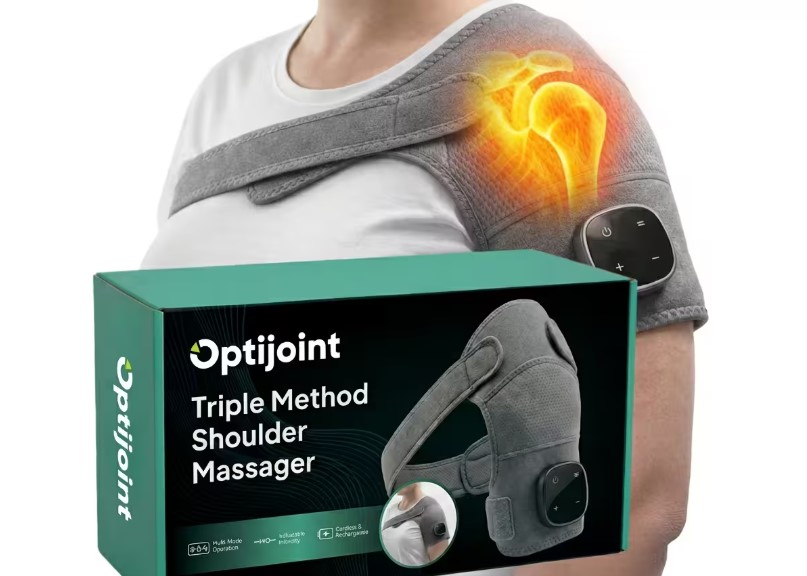

What is OptiJoint?
OptiJoint is a wearable joint support device, typically designed for knees, elbows, or other major joints. It combines compression technology, ergonomic design, and sometimes smart features to support joints during daily activities.
Unlike traditional braces, modern devices like OptiJoint are inspired by advanced solutions such as smart knee braces that monitor movement and recovery. For example, devices like the Sensoria Smart Knee Brace provide real-time tracking of joint motion and rehabilitation progress.
In simple terms, OptiJoint acts like a supportive companion for your joints, helping reduce pain while improving movement.
Why Joint Support Devices Are Important
Joint issues are more common than you might think. From athletes to seniors, joint pain affects people across all age groups.
Wearable joint supports are widely used because they:
- Stabilize joints
- Reduce strain and pressure
- Improve mobility
- Aid recovery after injuries
Medical research shows that knee braces, for example, help redistribute weight and limit harmful movements, reducing pain and supporting healing.
Key Features of OptiJoint
1. Ergonomic Design
OptiJoint is designed to fit snugly around the joint without restricting movement. Its flexible structure allows natural motion while providing support.
2. Compression Technology
The device applies gentle pressure to:
- Reduce swelling
- Improve blood circulation
- Relieve stiffness
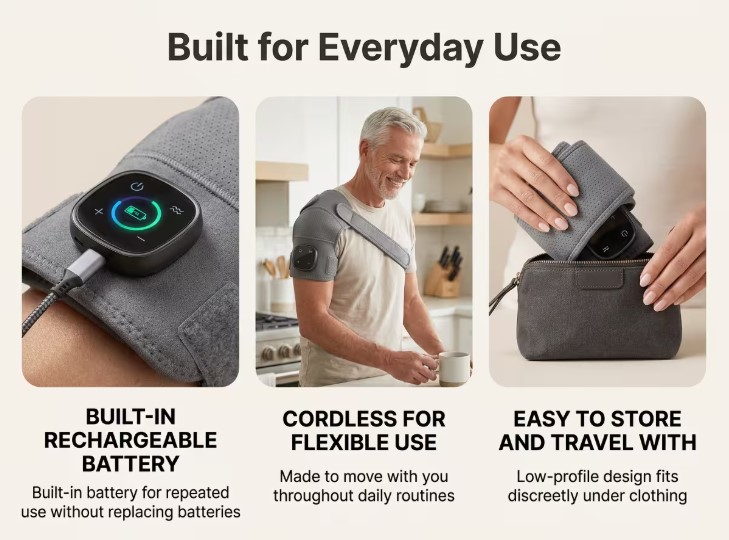
3. Lightweight & Wearable
Unlike bulky traditional braces, OptiJoint is:
- Lightweight
- Breathable
- Comfortable for all-day wear
4. Smart Support System (Advanced Models)
Some modern wearable supports include:
- Motion sensors
- Activity tracking
- Rehabilitation feedback
These features help users monitor recovery and maintain proper movement patterns.
How Does OptiJoint Work?
Think of your joint like a door hinge. When the hinge is loose or damaged, the door doesn’t function properly.
OptiJoint works by:
- Stabilizing the joint to prevent unwanted movement
- Distributing pressure evenly across the joint
- Supporting muscles and ligaments
Advanced wearable devices even guide movement patterns, helping users avoid harmful motions.
Benefits of Using OptiJoint
1. Pain Relief Without Medication
One of the biggest advantages is reducing reliance on painkillers.
2. Improved Mobility
Users often experience smoother movement and increased flexibility.
3. Faster Recovery
OptiJoint supports healing after:
- Injuries
- Surgery
- Strain
4. Injury Prevention
Athletes and active individuals use joint supports to prevent injuries during workouts.
5. Enhanced Daily Comfort
Whether walking, climbing stairs, or standing, the device reduces discomfort.
Who Should Use OptiJoint?
OptiJoint is ideal for:
- People with arthritis or joint pain
- Athletes and fitness enthusiasts
- Individuals recovering from injuries
- Older adults with mobility issues
- Office workers experiencing stiffness
If your joints feel weak, painful, or unstable, this device can make a noticeable difference.
Comparison With Other Joint Support Devices
Quick Comparison Table
| Feature | OptiJoint | |||
|---|---|---|---|---|
| Comfort | High | Premium | Moderate | Good |
| Smart Features | Yes (some models) | No | No | No |
| Price Range | Mid | High | High | Budget |
| Support Level | Moderate–High | High | Very High | Moderate |
| Best For | Daily use | Chronic pain | Severe arthritis | Light support |
Pros and Cons of OptiJoint
Pros
✔ Comfortable for long use
✔ Lightweight and breathable
✔ Reduces pain naturally
✔ May include smart tracking features
✔ Suitable for all age groups
Cons
✖ Not a replacement for medical treatment
✖ Advanced versions may be expensive
✖ Results vary depending on condition
Is OptiJoint Safe to Use?
Yes, wearable joint supports are generally safe when used correctly. However:
- Avoid wearing it too tight
- Follow usage guidelines
- Consult a doctor for severe conditions
Improper use can lead to stiffness or reduced muscle activity over time.
How to Use OptiJoint Properly
- Wear it around the affected joint
- Adjust straps for a snug fit
- Use during activities or as recommended
- Remove periodically to allow natural movement
Consistency is key to seeing results.
Real-World Applications
Wearable joint devices are not just for medical use. They are widely used in:
- Sports training
- Rehabilitation programs
- Daily mobility support
- Elderly care
Innovations like smart braces and exoskeleton-inspired designs are shaping the future of joint care.
Final Verdict: Is OptiJoint Worth It?
If you’re looking for a non-invasive, easy-to-use solution for joint pain, OptiJoint is definitely worth considering.
It stands out because it:
- Combines comfort with functionality
- Offers modern features in some models
- Helps improve daily quality of life
While it’s not a miracle cure, it can be a powerful support tool when used correctly.
Conclusion
Joint pain doesn’t have to control your life. With wearable solutions like OptiJoint, you can regain mobility, reduce discomfort, and stay active.
Think of it as giving your joints a helping hand—supporting you every step of the way.
FAQs
1. Can I wear OptiJoint all day?
Yes, but it’s recommended to take breaks to avoid stiffness.
2. Does OptiJoint cure joint problems?
No, it supports and manages symptoms but doesn’t cure underlying conditions.
3. Is it suitable for sports?
Absolutely! Many athletes use joint supports for stability and injury prevention.
4. How long does it take to see results?
Some users feel relief immediately, while others may take a few days.
5. Can older adults use OptiJoint?
Yes, it’s especially helpful for seniors dealing with joint stiffness and pain.